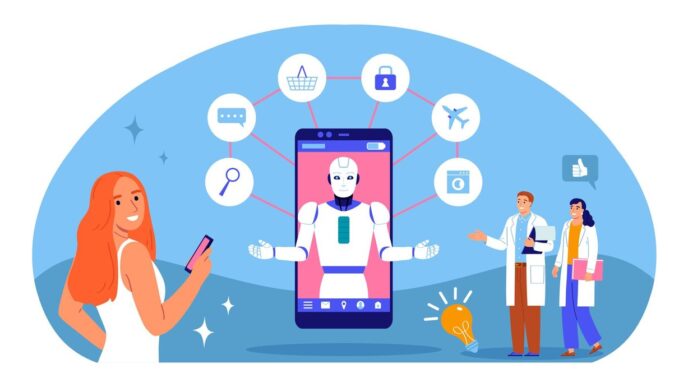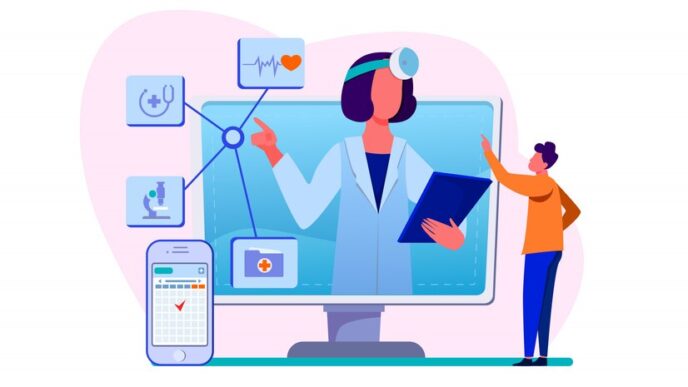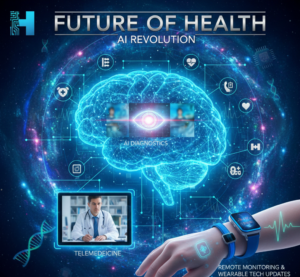
The healthcare sector is undergoing a major transformation driven by digital health technologies and artificial intelligence (AI). From AI-powered diagnostics to telemedicine, remote patient monitoring, and wearable technologies, digital health is reshaping how care is delivered, accessed, and managed. These innovations are improving clinical outcomes, increasing efficiency, reducing costs, and making healthcare more patient-centric across both developing and developed healthcare systems.
Role of AI in Medical Diagnostics
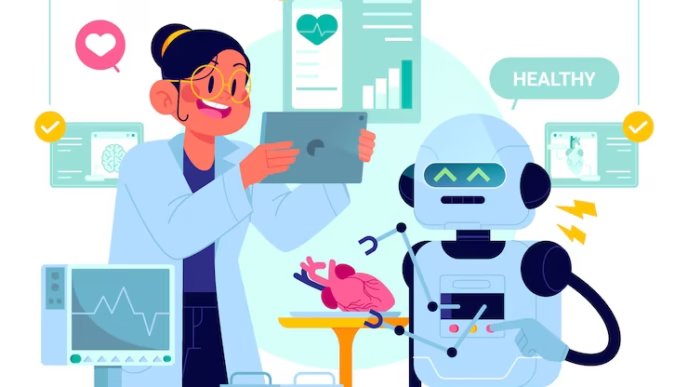
Artificial Intelligence has emerged as a powerful tool in medical diagnostics by enabling faster, more accurate, and data-driven clinical decisions. AI algorithms can analyse medical images, pathology slides, radiology scans, and electronic health records to detect diseases at early stages.
Indian Examples
In India, AI-based diagnostic solutions are helping address shortages of specialists. Platforms such as Qure.ai use AI to interpret chest X-rays and CT scans for conditions like tuberculosis, lung cancer, and stroke, especially in tier-2 and tier-3 cities. Niramai Health Analytix uses AI and thermal imaging for early breast cancer detection, offering a low-cost, non-invasive alternative to traditional mammography.
International Examples
Globally, AI is well integrated into hospital workflows. In the United States, IBM Watson Health assists clinicians in oncology by analysing vast medical literature and patient data to suggest treatment options. In the UK, the National Health Service (NHS) uses AI tools for early detection of eye diseases such as diabetic retinopathy, significantly reducing the burden on ophthalmologists.
Telemedicine: Expanding Access to Care
Telemedicine has revolutionized healthcare delivery by enabling remote consultations, follow-ups, and specialist access through digital platforms. It reduces geographical barriers and improves healthcare accessibility, especially for rural and underserved populations.
Indian Examples
India witnessed rapid telemedicine adoption during and after the COVID-19 pandemic. Platforms like eSanjeevani, the Government of India’s teleconsultation service, have enabled millions of free consultations across states. Private providers such as Apollo TeleHealth and Practo connect patients with doctors for OPD consultations, mental health services, and chronic disease management.
International Examples
In countries like the United States, Teladoc Health provides virtual consultations, chronic care programs, and mental health services at scale. In Australia, telehealth is widely used for remote communities, allowing patients in rural areas to consult urban specialists without travel, reducing healthcare inequity.
Remote Patient Monitoring (RPM)
Remote patient monitoring uses digital devices and connected systems to track patient health parameters such as blood pressure, blood glucose, oxygen saturation, and heart rate from home. RPM improves continuity of care and enables early intervention.
Indian Examples
Indian hospitals are increasingly adopting RPM for chronic disease management. Tata 1mg, HealthifyMe, and hospital-led home care programs monitor diabetes, hypertension, and post-surgical recovery. Remote monitoring has reduced hospital readmissions and improved patient adherence to treatment plans.
International Examples
In Europe and the US, RPM is a standard component of chronic care models. The Mayo Clinic uses RPM to monitor cardiac patients and post-operative cases, leading to improved outcomes and reduced ICU stays. In Germany, digital health applications approved under the Digital Healthcare Act allow physicians to prescribe remote monitoring apps.
Wearable Technology and Smart Health Devices
Wearable technology plays a key role in preventive and personalized healthcare. Smartwatches, fitness bands, and medical-grade wearables continuously collect health data, empowering patients to actively manage their health.
Indian Examples
In India, wearable devices from brands like Noise, and Fittr are integrated with health coaching and digital platforms. Some corporate hospitals are linking wearable data with preventive health check-ups to detect lifestyle disorders early.
International Examples
Globally, wearables such as Apple Watch and Fitbit are clinically validated for detecting irregular heart rhythms, atrial fibrillation, and sleep disorders. In countries like Japan and the US, wearable data is increasingly used in population health management and clinical research.
Overall Impact on Healthcare Systems
Digital health and AI are transforming healthcare systems by:
- Improving early diagnosis and treatment accuracy
- Reducing OPD overcrowding and hospital admissions
- Enhancing patient engagement and satisfaction
- Supporting value-based and preventive healthcare models
- Enabling data-driven decision-making for administrators and clinicians
For countries like India, digital health helps bridge gaps in infrastructure, workforce shortages, and accessibility. In developed nations, it enhances efficiency, quality of care, and cost control.
Conclusion
Digital health and artificial intelligence are no longer optional innovations but essential components of modern healthcare systems. By integrating AI diagnostics, telemedicine, remote monitoring, and wearable technologies, healthcare can become more accessible, efficient, and patient-centered. Both India and global healthcare systems demonstrate that digital health has the potential to transform healthcare delivery—from reactive treatment to proactive and preventive care—ultimately improving population health outcomes worldwide.