Preventive Health and Lifestyle Medicine: How Digital Health Is Transforming Healthcare
The global burden of lifestyle-related diseases such as diabetes, hypertension, obesity, cardiovascular diseases, and mental health disorders is increasing rapidly. These conditions are largely preventable and, in many cases, reversible through early screening and sustained lifestyle modifications. Preventive health and lifestyle medicine focus on addressing the root causes of disease rather than only treating symptoms. Digital health has emerged as a powerful enabler in this transformation by supporting early detection, personalized interventions, and long-term behaviour change.
Importance of Preventive Health and Early Screening
Early screening helps identify health risks before they progress into chronic diseases. Digital health tools make screening more accessible, affordable, and continuous.
Digital platforms enable:
- Online risk assessments and health questionnaires
- AI-based analysis of health parameters
- Population-level screening and data analytics
- Timely referrals and follow-up care
By shifting healthcare from reactive to proactive, digital health reduces disease burden and healthcare costs.
Role of Digital Health in Lifestyle Medicine
Digital Risk Assessment and Predictive Analytics
AI-powered algorithms analyse data from electronic health records, lab reports, wearables, and lifestyle inputs to predict disease risk.
Example:
Digital health platforms assess risk for diabetes and heart disease using parameters such as BMI, activity levels, sleep patterns, and family history, enabling early lifestyle interventions.
Wearables and Remote Health Monitoring
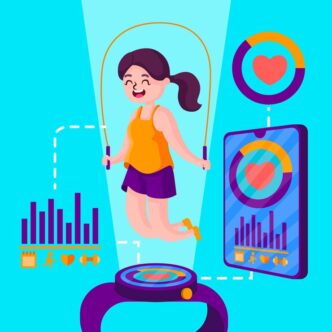
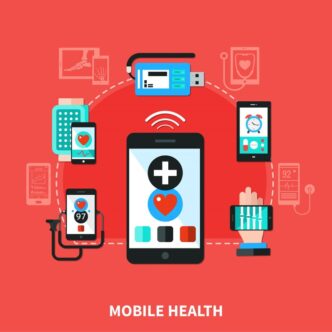
Wearable devices track daily physical activity, heart rate, sleep, stress levels, and calories burned. Continuous monitoring provides real-time feedback to users and healthcare providers.
- Early detection of abnormal patterns
- Motivation through goal tracking
- Data-driven lifestyle coaching
These tools empower individuals to take ownership of their health.
Reversing Lifestyle Diseases Through Digital Support
Lifestyle diseases can often be reversed or controlled through sustained habit changes supported by digital health platforms.
Diabetes and Prediabetes
Digital lifestyle programs combine:
- Continuous glucose monitoring
- Nutrition tracking
- Exercise plans
- Remote coaching
Studies show that structured digital interventions can significantly improve glycaemic control and, in early stages, reverse type 2 diabetes.
Hypertension and Heart Disease
Digital tools help patients:
- Monitor blood pressure at home
- Reduce salt intake through diet apps
- Improve physical activity and stress management
Regular monitoring and feedback reduce dependence on long-term medication in early-stage cases.
Obesity and Metabolic Disorders
AI-driven nutrition apps create personalized meal plans, track calorie intake, and provide behavioural nudges to encourage healthy eating and activity.
Digital Health in Lifestyle Behaviour Change
Changing habits requires long-term motivation and accountability. Digital health platforms use behavioural science to support sustainable lifestyle change through:
- Personalized goal setting
- Gamification and rewards
- Virtual health coaching
- Community support and peer engagement
Mobile apps, tele coaching, and online support groups make lifestyle medicine scalable and inclusive.
Indian and Global Perspectives
Indian Context
In India, the rising prevalence of diabetes and cardiovascular diseases has led to increased adoption of digital preventive health solutions. Platforms offering digital health check-ups, fitness tracking, and lifestyle coaching are helping urban and semi-urban populations manage and reverse lifestyle disorders. Government-led digital health initiatives support population screening and preventive care at the primary healthcare level.
Global Context
Globally, countries like the US, UK, and Japan integrate digital preventive health programs into employer wellness initiatives and public health systems. Wearables and digital therapeutics are increasingly prescribed for lifestyle disease management, emphasizing prevention over treatment.
Impact on Healthcare Systems
Digital health–driven preventive care:
- Reduces hospital admissions and OPD load
- Lowers long-term healthcare expenditure
- Improves productivity and quality of life
- Supports value-based healthcare models
- Strengthens population health management
By focusing on prevention, healthcare systems become more sustainable and patient-centric.
Challenges and Future Direction
Despite its benefits, preventive digital health faces challenges such as data privacy concerns, digital literacy gaps, and unequal access to technology. Addressing these challenges requires:
- Strong regulatory frameworks
- Integration with primary healthcare
- Awareness and education programs
- Affordable and inclusive digital solutions
Conclusion
Preventive health and lifestyle medicine represent the future of healthcare, focusing on early screening, habit modification, and disease reversal. Digital health acts as a catalyst in this transformation by enabling continuous monitoring, personalized interventions, and sustained behaviour change. By integrating digital tools into preventive healthcare strategies, healthcare systems can shift from disease treatment to health promotion, improving outcomes for individuals and populations alike.